Note on the Dynastic Rights of
the Royal Family of Romania
(House de Hohenzollern-Sigmarigen)
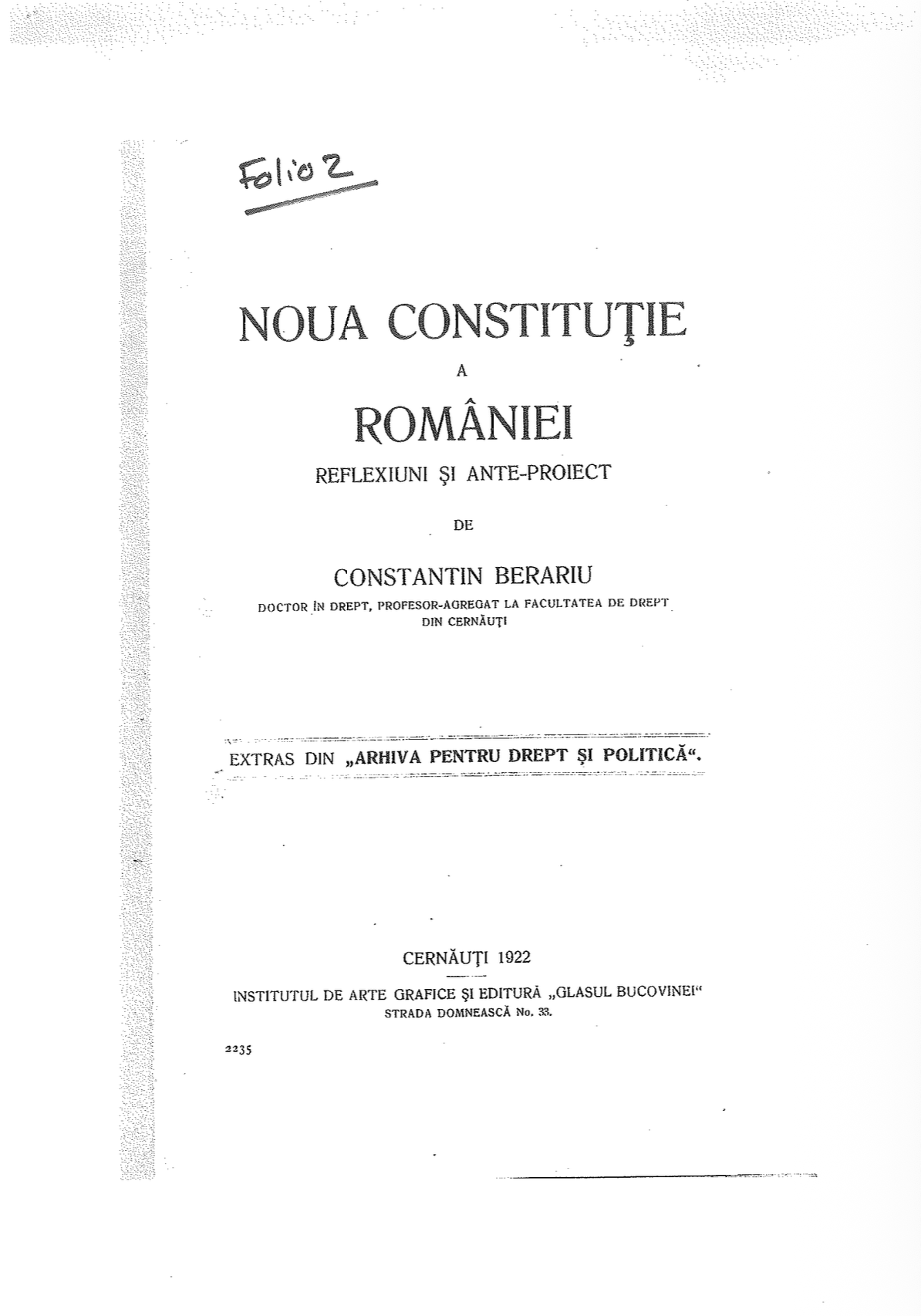
This note sets out the constitutional and dynastic position of King Carol I, King Ferdinand I, King Carol II, and Prince Michael, in order to demonstrate that Michael was neither a dynastic nor a constitutional king within the meaning of the Romanian Constitutions of 1866 and 1938.
The only person who can be considered the legitimate dynastic and constitutional representative of the Romanian royal family is His Royal Highness Prince Paul of Romania (House of Hohenzollern-Sigmarigen).
Dynastic Framework under Carol I and Ferdinand I
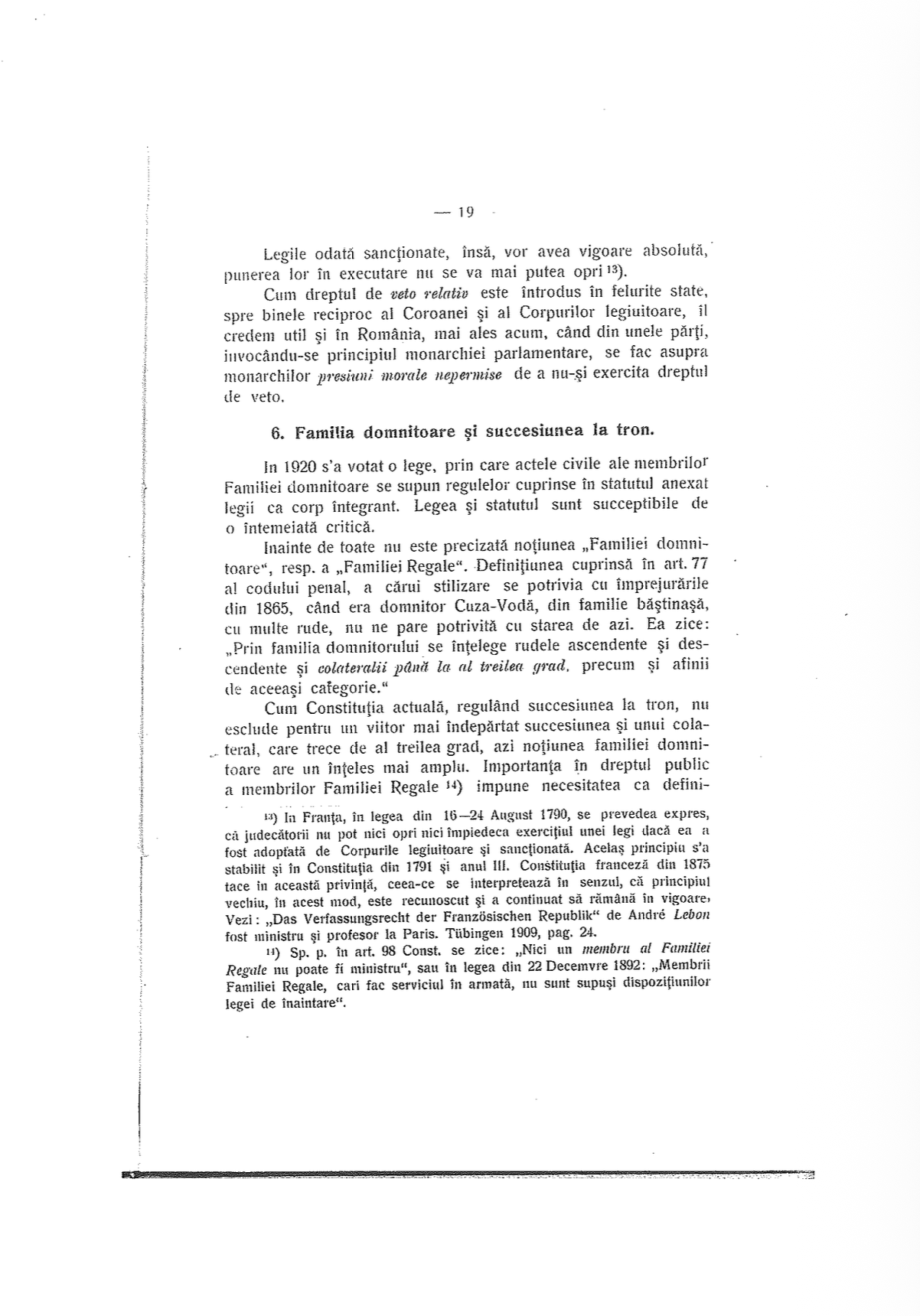
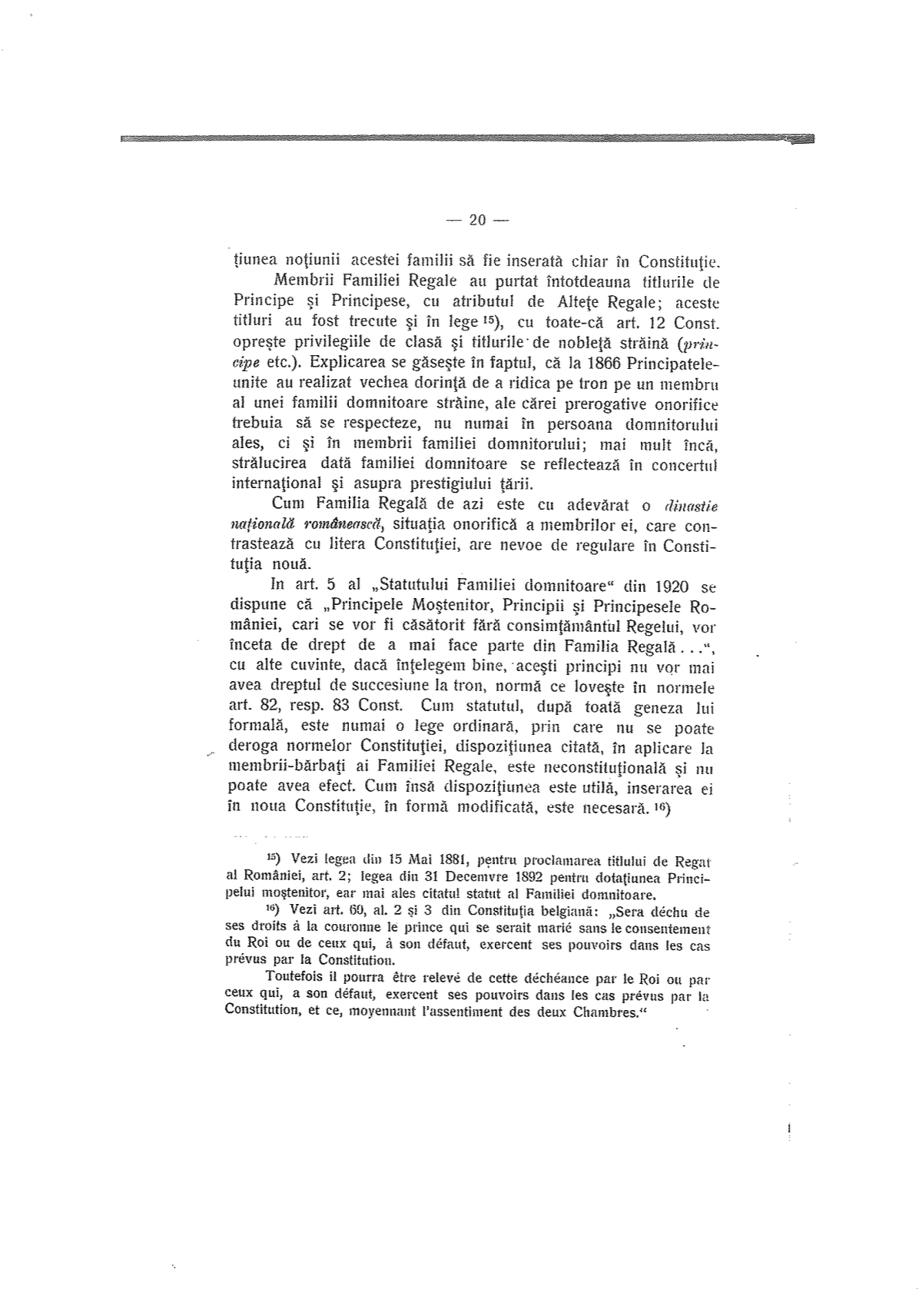
His Majesty King Carol I, born Karl of Hohenzollern-Sigmaringen, became Sovereign of Romania after being elected by Parliament. Article 82 of the Constitution provided that the throne was hereditary in the direct and legitimate male line of King Carol I. Women and their descendants were excluded from the line of succession, and the system of agnatic primogeniture applied, meaning that the succession passed to the first-born male. All dynastic descendants were required to be raised in the Orthodox religion, the dominant faith in Romania.
As King Carol I had no children, he was succeeded by his nephew, Prince Ferdinand of Hohenzollern-Sigmaringen, who was proclaimed His Majesty King Ferdinand I of Romania. King Ferdinand I married Her Royal Highness Princess Marie of the United Kingdom. Their eldest son, Prince Carol of Hohenzollern, became, by dynastic right and according to constitutional rules, Crown Prince Carol of Romania. This strict legal and dynastic framework, combined with Carol I’s lack of heirs, clearly establishes the direct line from Carol I to Ferdinand I and then to Carol II, which is essential to understanding why Michael’s subsequent position was neither dynastic nor constitutional.
Exile and Reinstatement of Crown Prince Carol (the future King Carol II)
In 1925, following a conflict with Prime Minister Ion C. Brătianu, Crown Prince Carol was exiled by a controversial law imposed by the Prime Minister, which banished him for ten years. This measure was legally extraordinary and clearly political, but it did not extinguish his dynastic right as the eldest son of King Ferdinand I. In 1930, by popular demand and with the support of the army and the president of the National Peasants’ Party, Iuliu Maniu, Carol returned from exile. The Romanian Parliament voted 99 to 1 to reinstate his dynastic rights under the Royal Constitution as the eldest son of his father, His Majesty King Ferdinand I of Romania. Parliament explicitly declared that he was reinstated as Crown Prince of Romania and senior male heir in accordance with Salic laws, and then proclaimed him His Majesty King Carol II of Romania on June 8, 1930. The act of reinstatement and proclamation is preserved in the current archives of the Ministry of Justice of Romania.
The ten-year reign of King Carol II has been described by both Romanian and foreign historians as one of the best economic and cultural periods in Romanian history. Nevertheless, the combined pressure and threats from Hitler’s Nazi Germany and Stalin, following the signing of the non-aggression pact, as well as Carol II’s refusal to enter into a full alliance with Hitler, led to threats of Romania’s dismemberment. General Ion Antonescu, supported by Nazi Germany, forced King Carol II into exile; he did not abdicate.
Michael’s Position and the Antonescu Regime
On September 6, 1940, King Carol II of Romania was forced into exile by General Antonescu because Carol had refused a total alliance with Hitler’s Germany. Prior to this, Carol II had suspended the Royal Constitution and dissolved Parliament. Consequently, Romania was no longer a functioning constitutional state, and Prince Michael could not validly become a constitutional king. General Antonescu nevertheless signed a simple procès-verbal on September 6, 1940, naming Michael King of Romania, and this illegal act was published in the official journal Monitorul Oficial in the form of a decree. King Michael then appointed General Antonescu as Head of State of the Nazi-Legionnaire National Government and Horia Sima as head of the Nazi-Legionnaire movement; both men were later convicted as war criminals. Romania thus entered into an alliance with Nazi Germany, the so-called Pact of Steel between Germany, Romania, Italy, and Japan, which King Carol II had refused to do. In 1944, when King Michael realized that Hitler was losing the war, he switched sides to join the Allies and promptly ordered the arrest of General Antonescu. He also ordered the arrest of the President of the High Court of Cassation, Mr. Lupu, who had signed the illegal procès-verbal making Prince Michael a king.
Laws and Measures Against King Carol II’s Property
At King Michael’s request, Mr. Lupu prepared Law No. 1 of November 26, 1941, providing for the confiscation of all property belonging to the exiled King Carol II, at the request of his own son, King Michael. However, this law could not be validly approved or implemented by Mr. Lupu as President of the High Court of Cassation because Parliament had been dissolved by King Carol II, and the 1938 Royal Constitution required parliamentary approval for such a law. General Antonescu had already sequestered all of Carol II’s property in 1940, as evidenced by an attached document, but these assets were not confiscated at that time. They were only confiscated later by the communist authorities in 1948, as demonstrated by another attached document. General Antonescu realized that the Sinaia Royal Estate, which included the Peleș Royal Residence belonging to King Carol II, had been sequestered by his own government. He therefore signed a decree granting the Peleș Royal Estate to King Michael so that Michael could use the royal residence.
Armistice, Occupation, and the Invalidity of Michael’s Kingship
The terms of the Armistice of September 12, 1944, nullified all laws and decrees enacted by General Antonescu’s Nazi-Legionnaire National Government (1940-1944), including those seizing or confiscating royal and other Romanian property. From 1944 to 1947, Allied forces, primarily Soviet, occupied Romania, maintaining Michael as king in name only. During this period, he remained an unconstitutional and illegal king in a country that was no longer fully sovereign. In 1947, the Treaty of Paris was signed. Due to Michael’s unconstitutional legal status, he was not invited to sign the Treaty of Paris in France. It was not until 1955 that Romania was finally readmitted to the United Nations, the successor to the League of Nations. The Treaty of Paris required Romania to restore all property, including royal property, that had been sequestered or confiscated under the pro-Nazi government of General Antonescu.
Marriage Conditions for the Royal Family
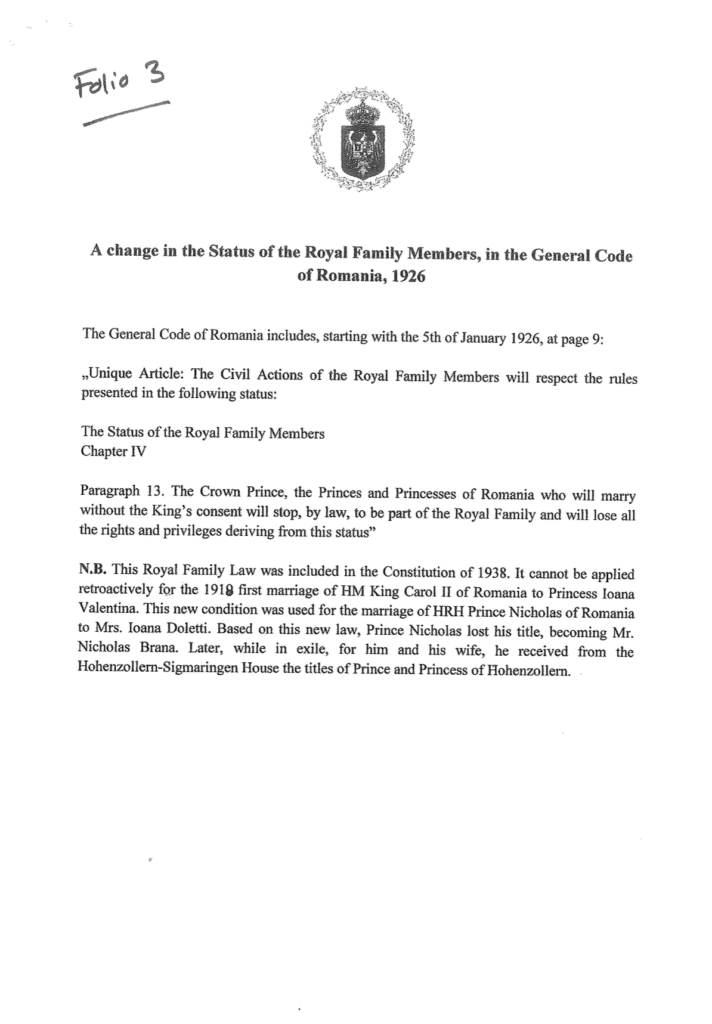
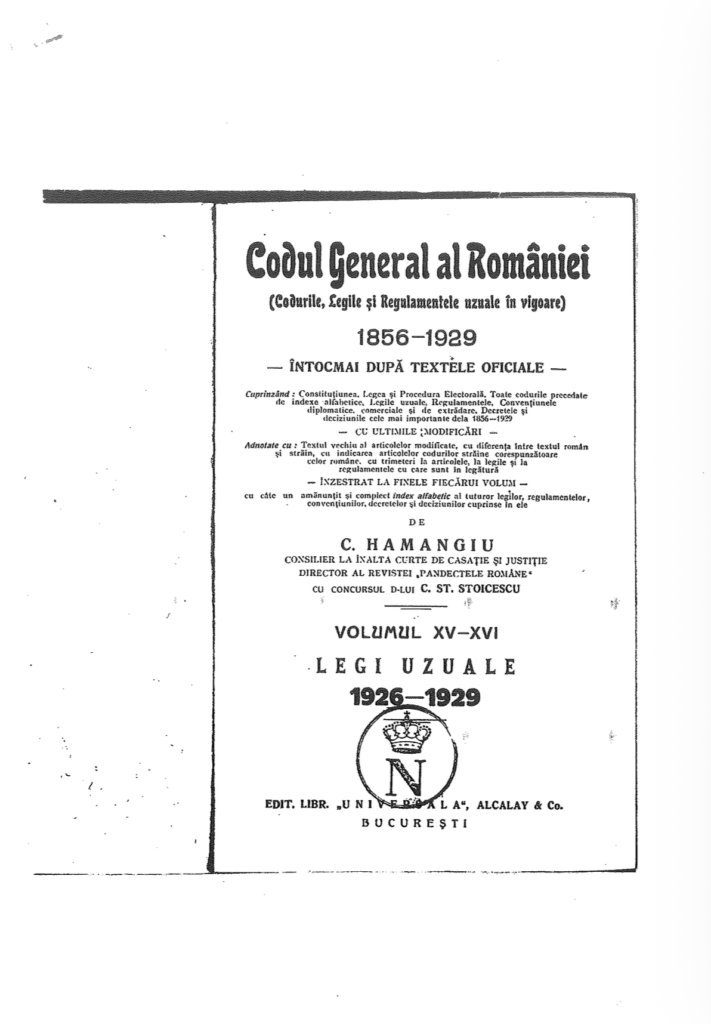
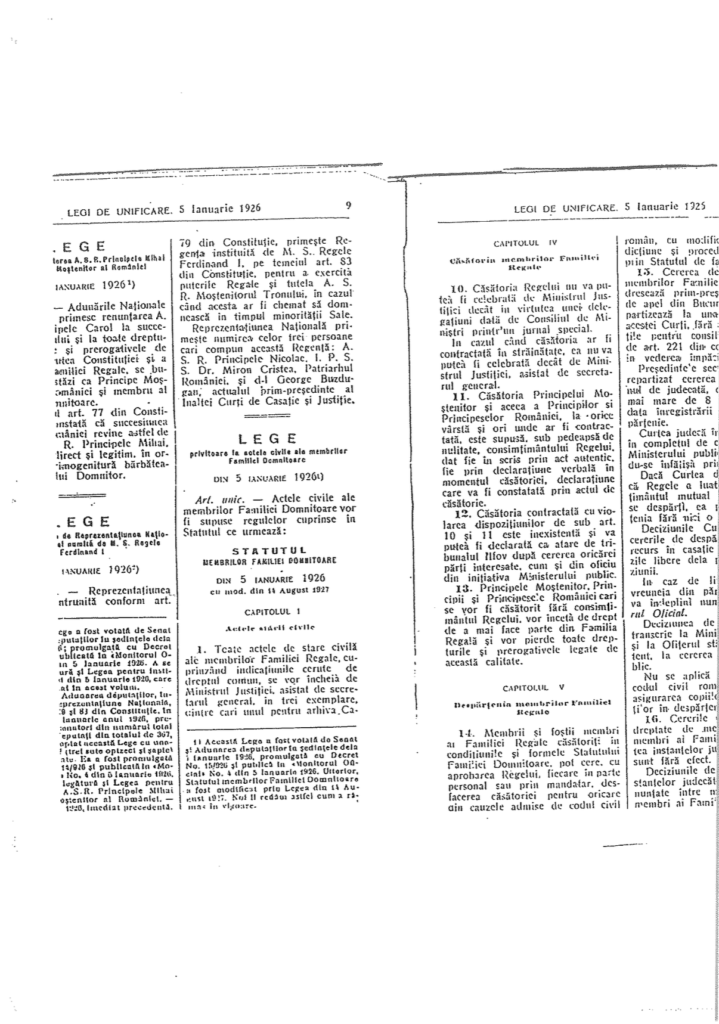
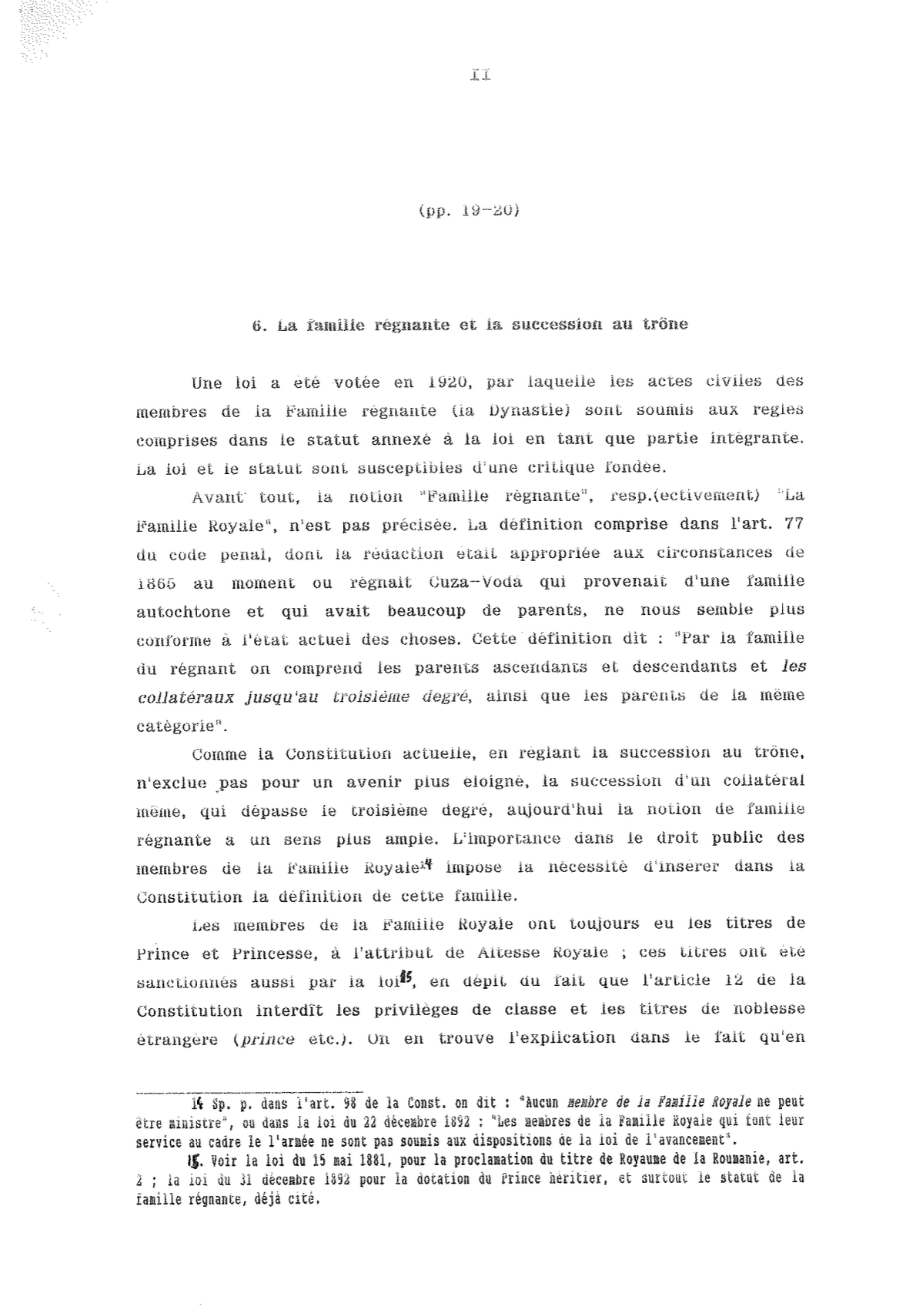
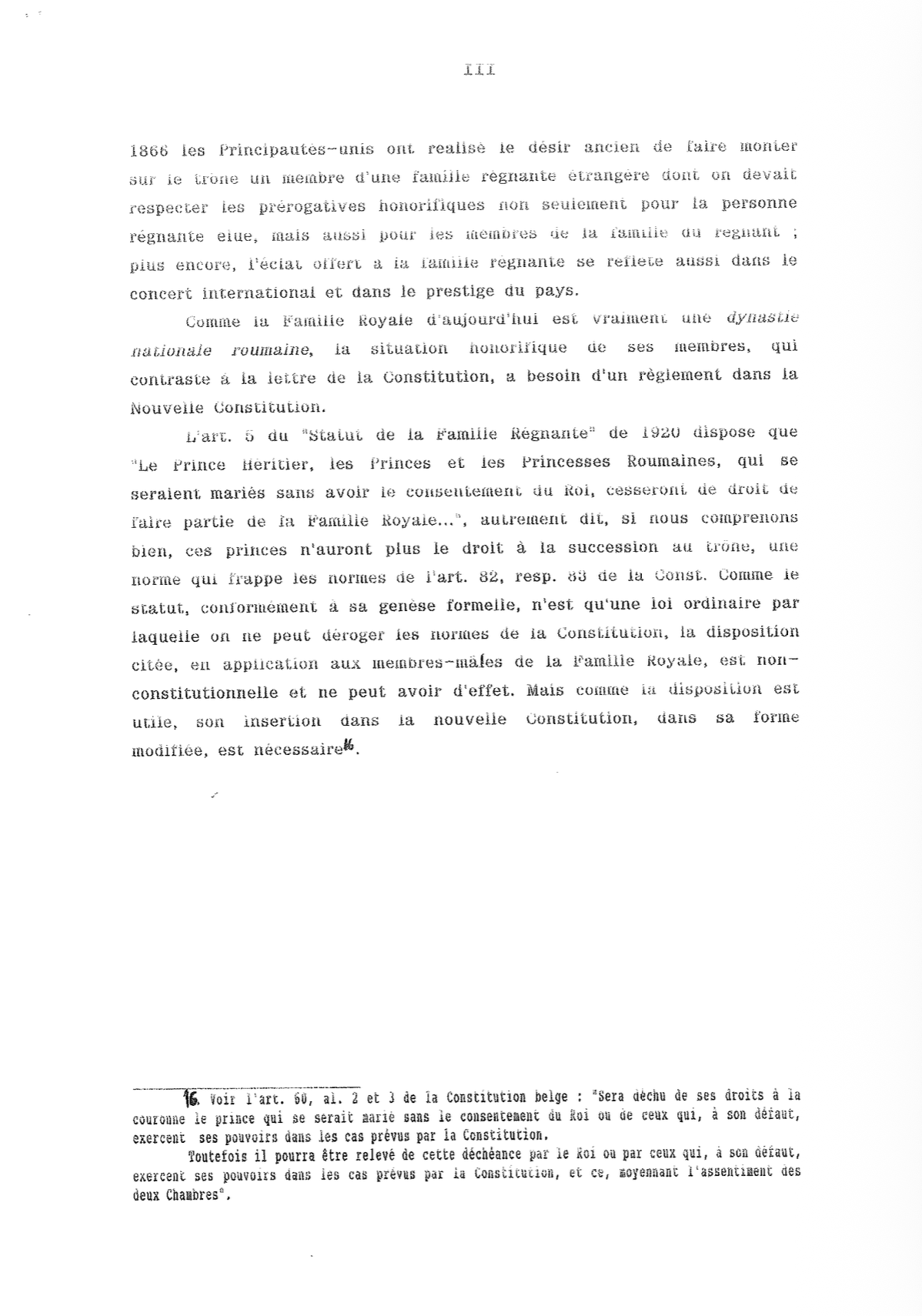
There was no morganatic regime for the Royal Family of Romania; instead, Article 13 of January 5, 1926, of the General Code of Romania (Codul General al României, 1926-1929 edition) established specific marriage conditions applicable to all members of the Royal Family. This law, as shown by the documents provided (images A and B of the 1926-1929 volume), proves that no special morganatic law existed; it simply described the conditions under which royal marriages could take place, a framework that remains relevant for the Royal Family in 2026. These conditions ensured equality in marriage for royal members without invoking morganatic inequality.
Conclusive Legal Assessment and the Senior Dynastic Line
In light of the constitutional provisions on agnatic primogeniture in the legitimate male line of King Carol I, and the uninterrupted dynastic transmission from Carol I to Ferdinand I and then to Carol II, Michael did not possess a valid dynastic title within the meaning of the Romanian monarchical statutes. His designation as king by a simple procès-verbalfrom General Antonescu, issued in the absence of a functioning Parliament and under a suspended constitution, was ultra vires and therefore constitutionally null and void. During the years 1940-1947, Michael can at best be considered a de facto Head of State operating under foreign influence and military occupation, but never a de jure constitutional king in the sense of the 1866 and 1938 Constitutions.
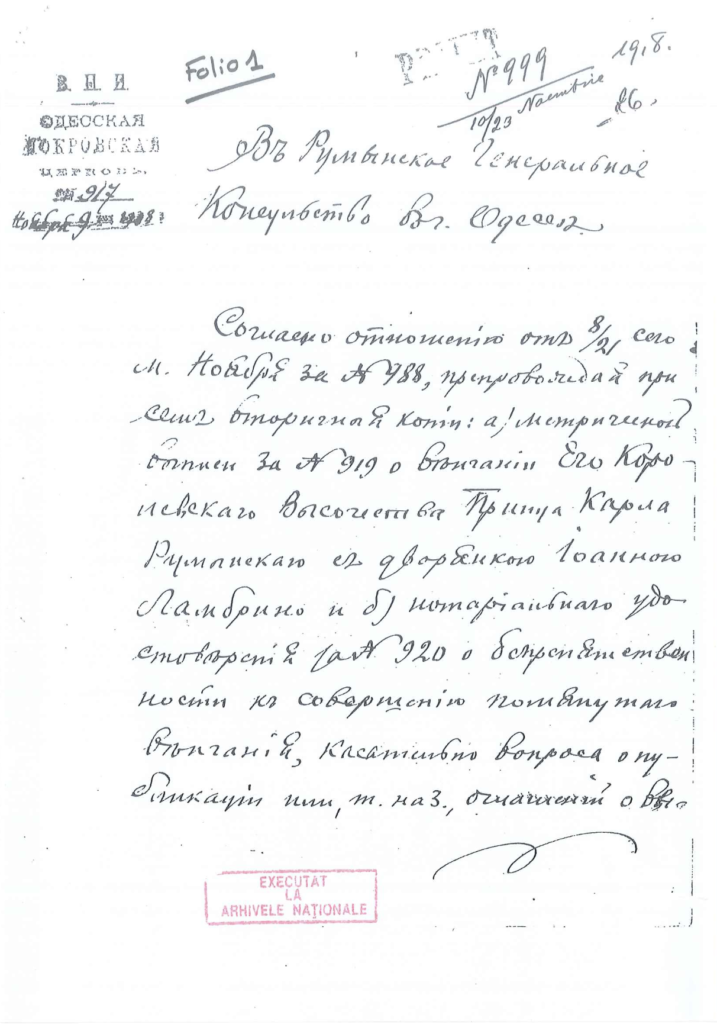
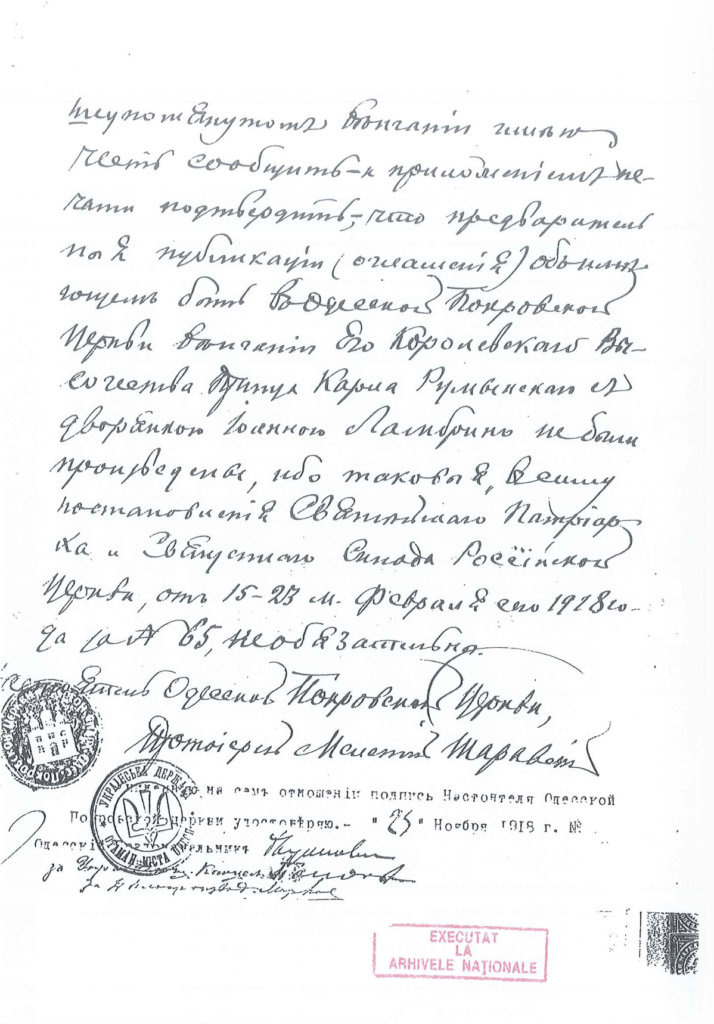
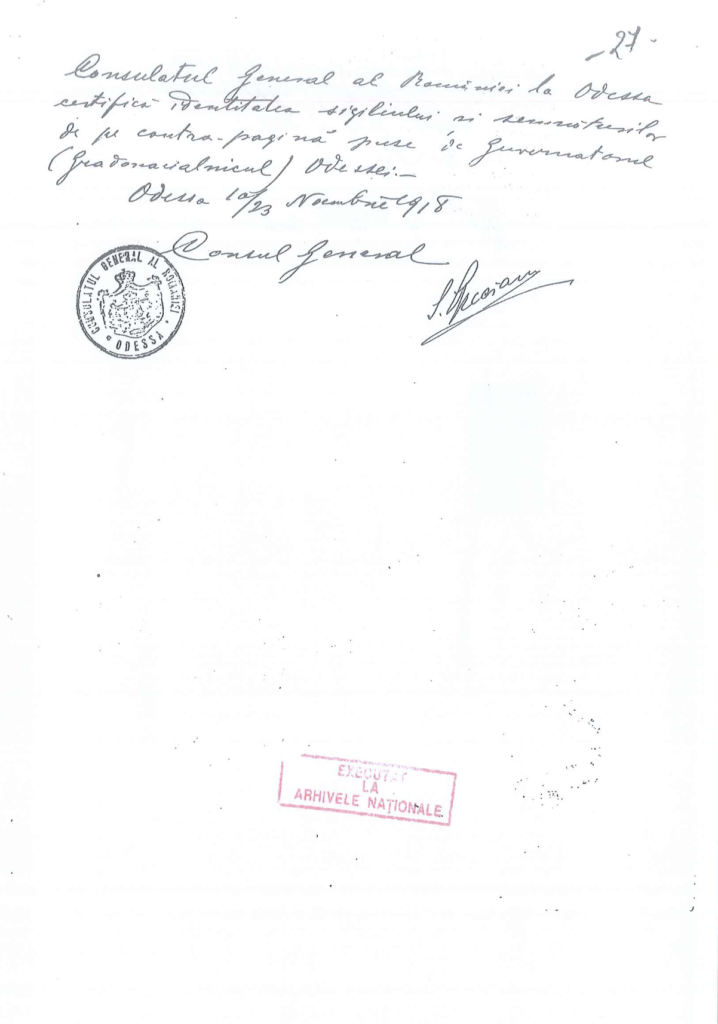
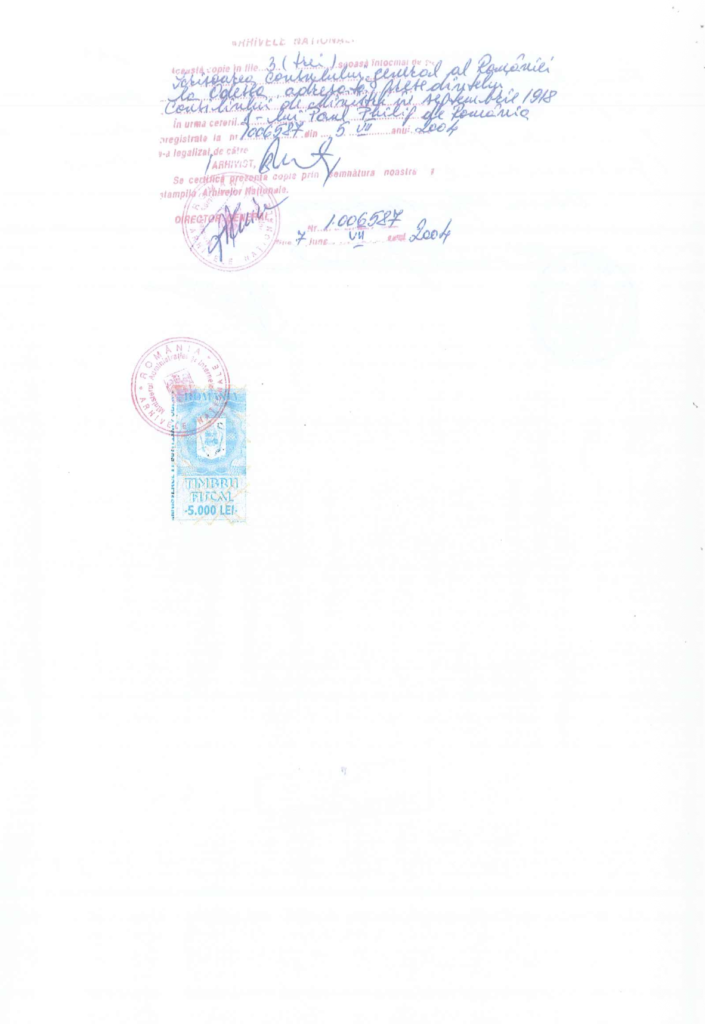
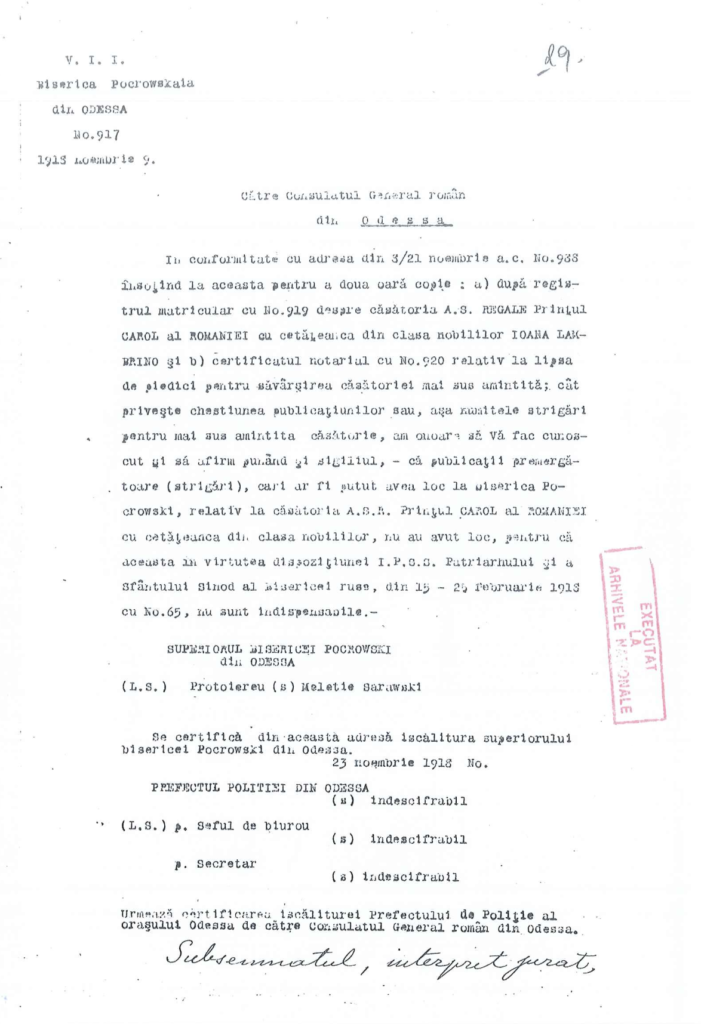
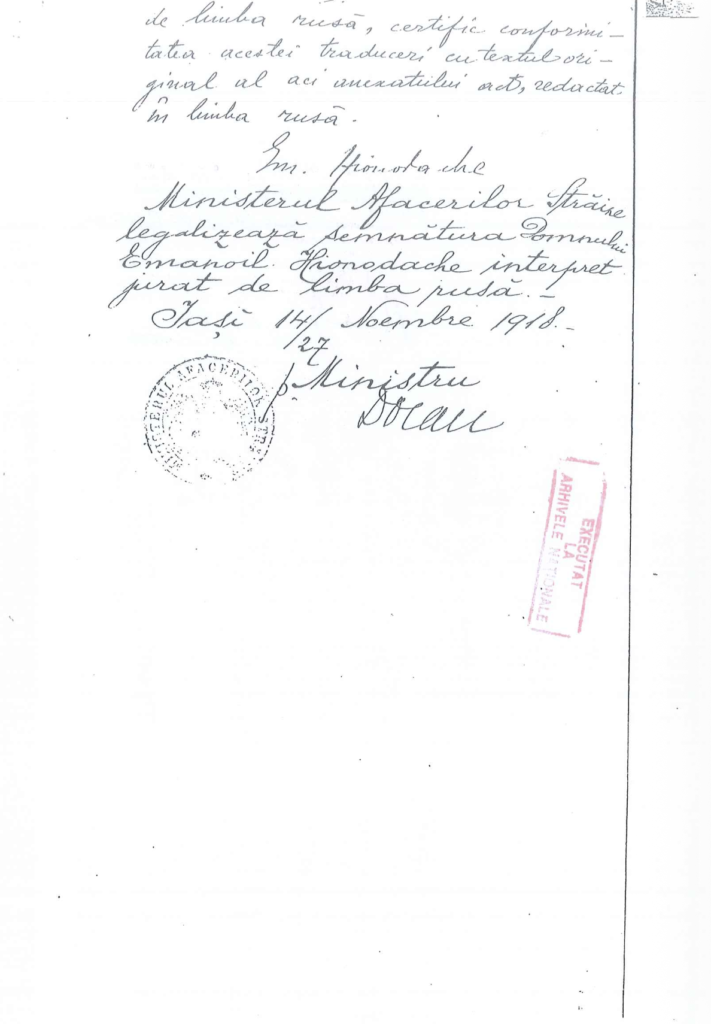
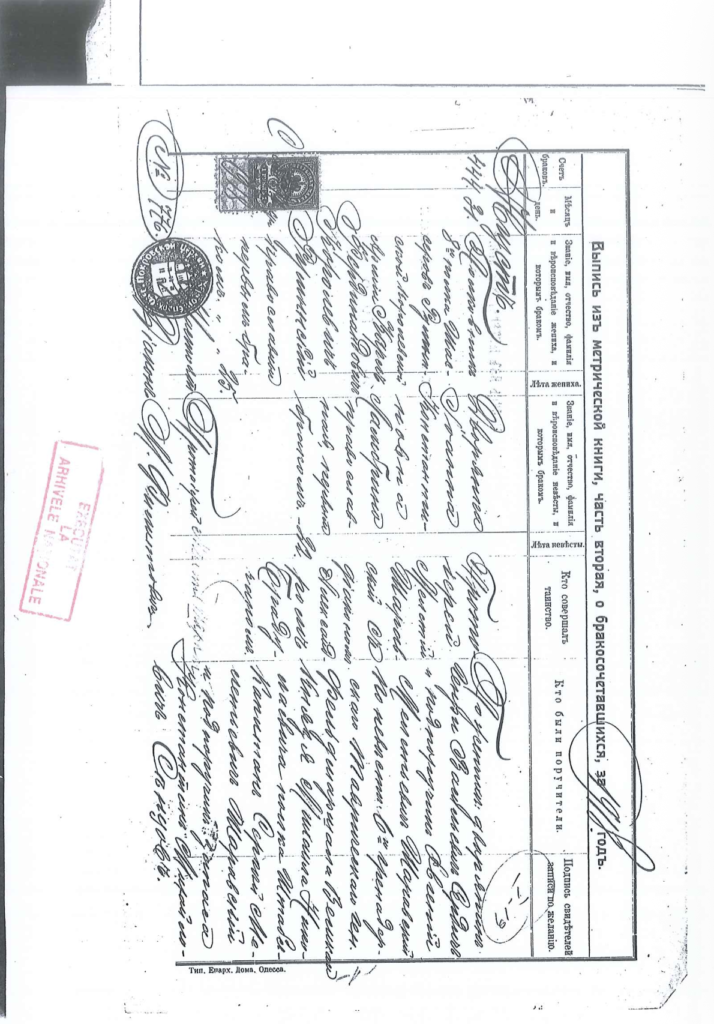
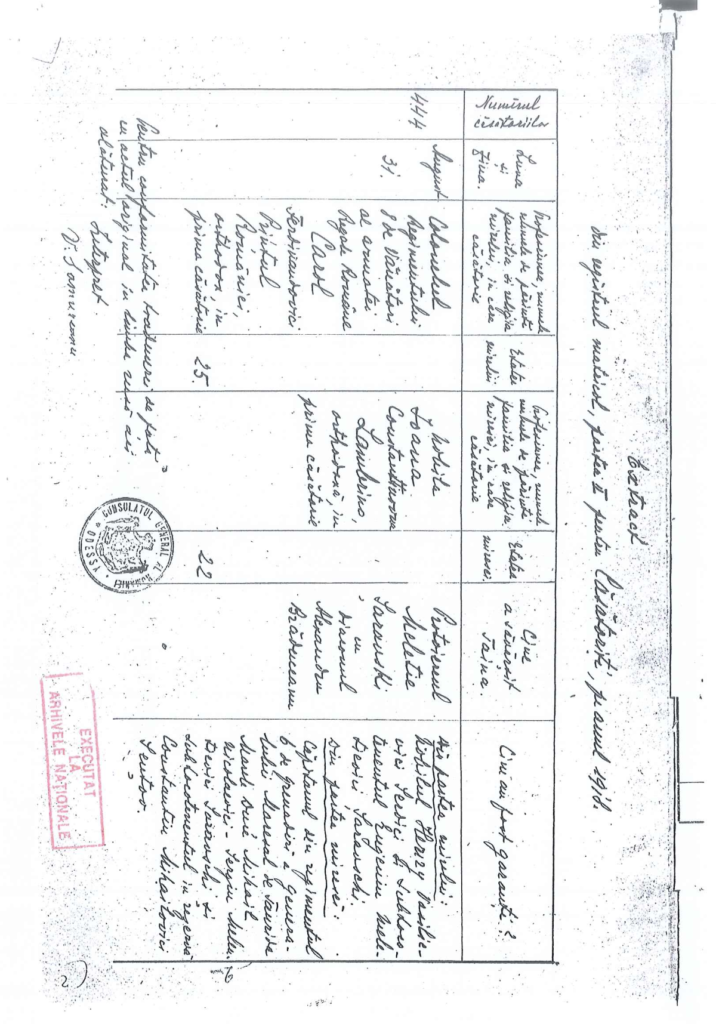
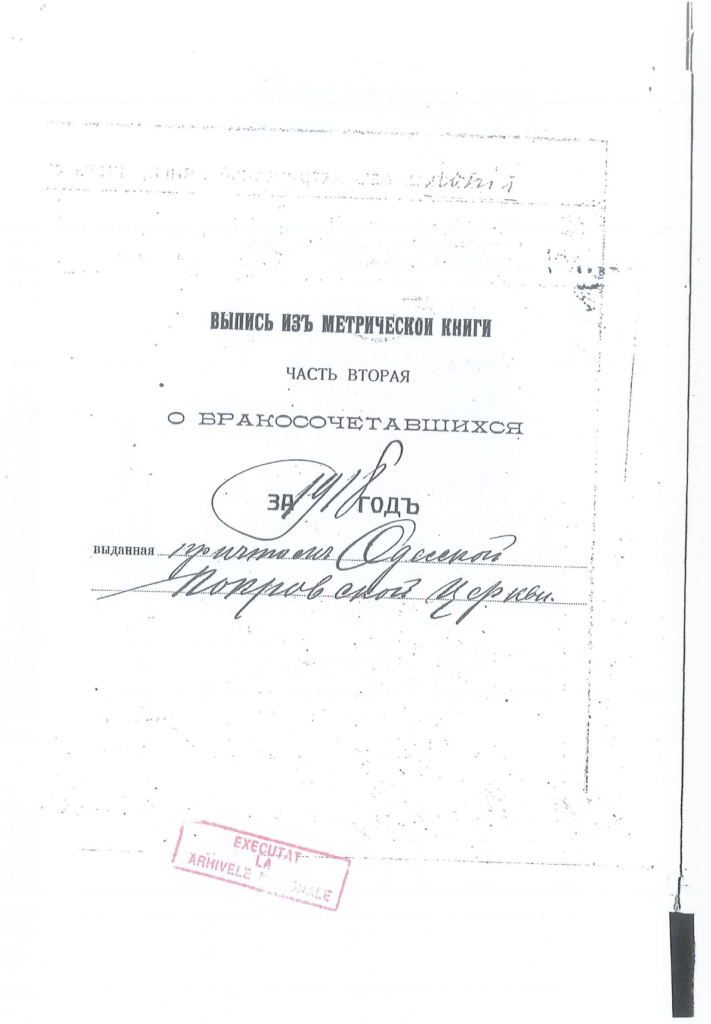
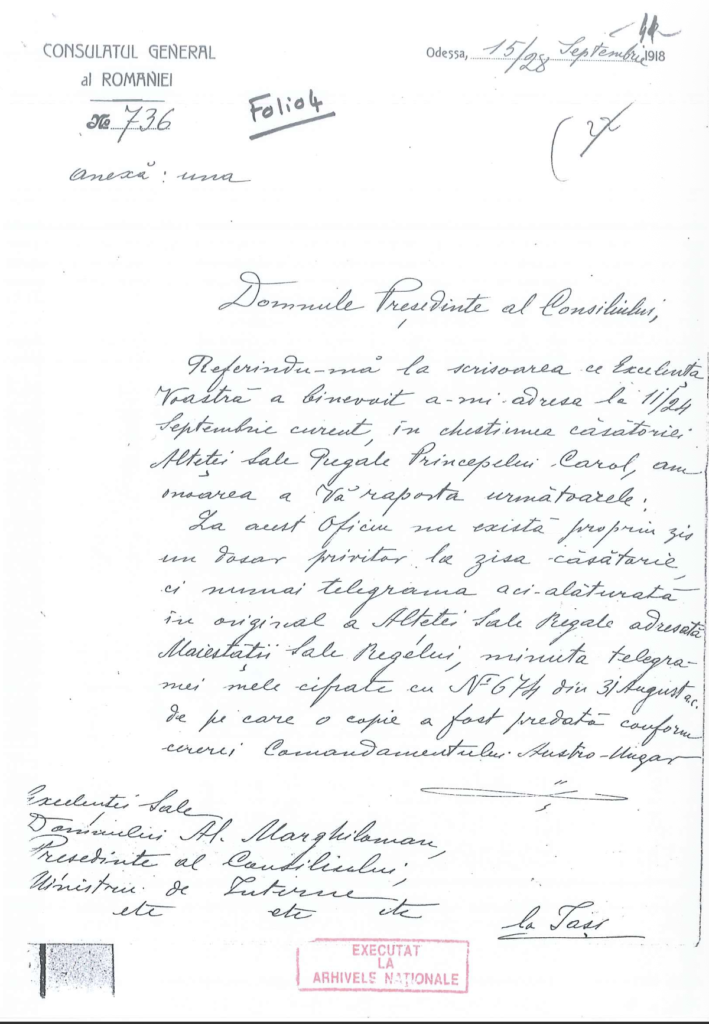
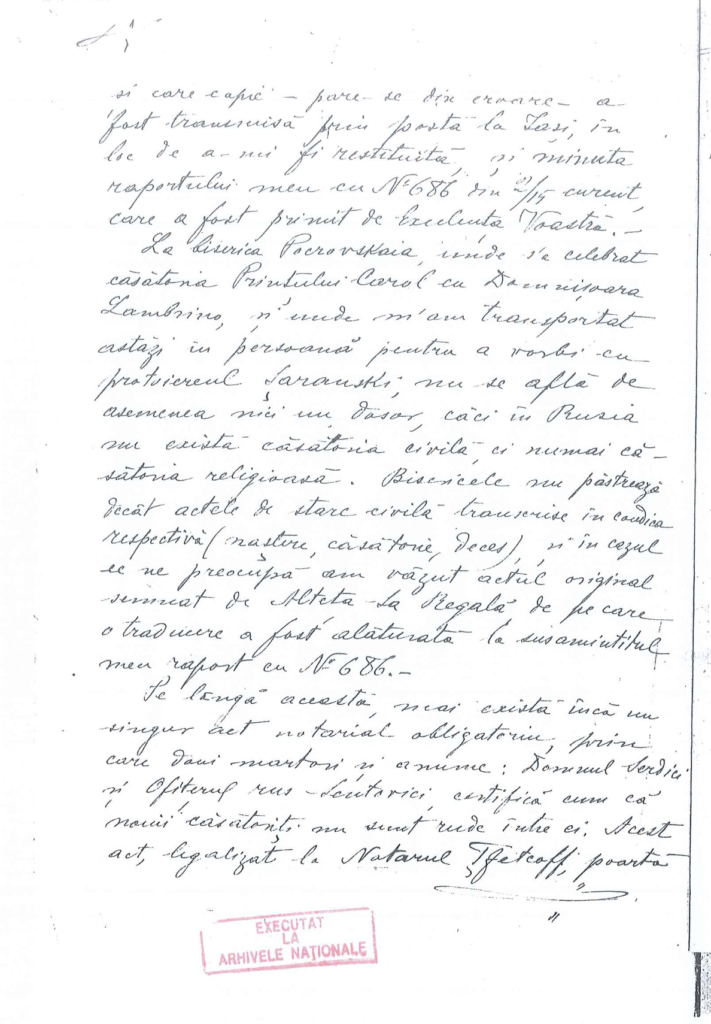
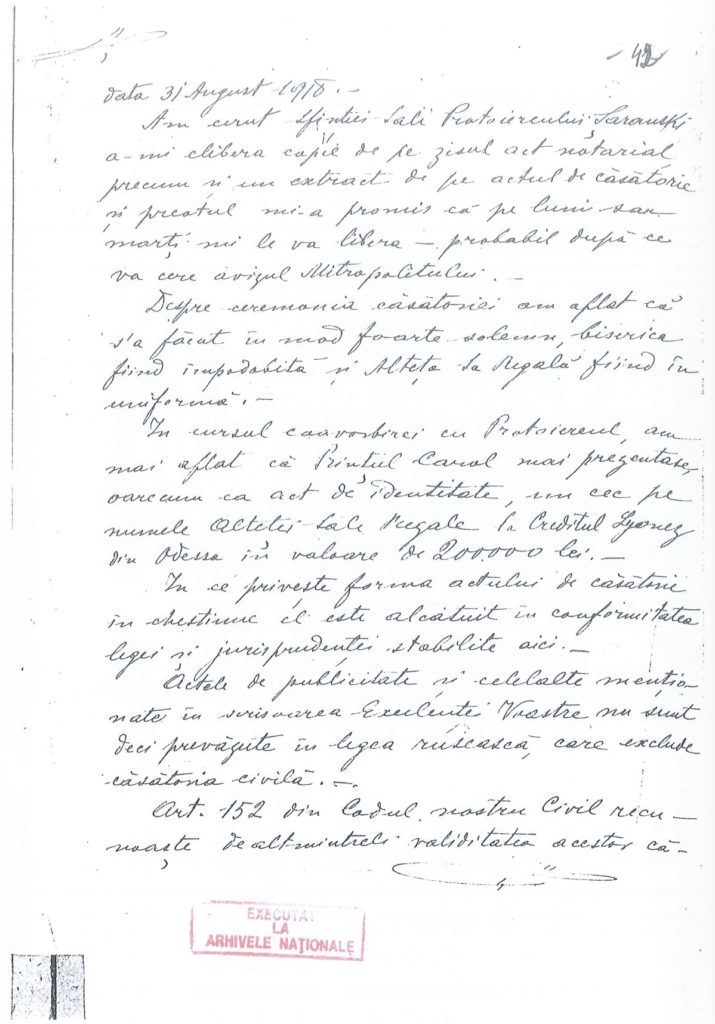
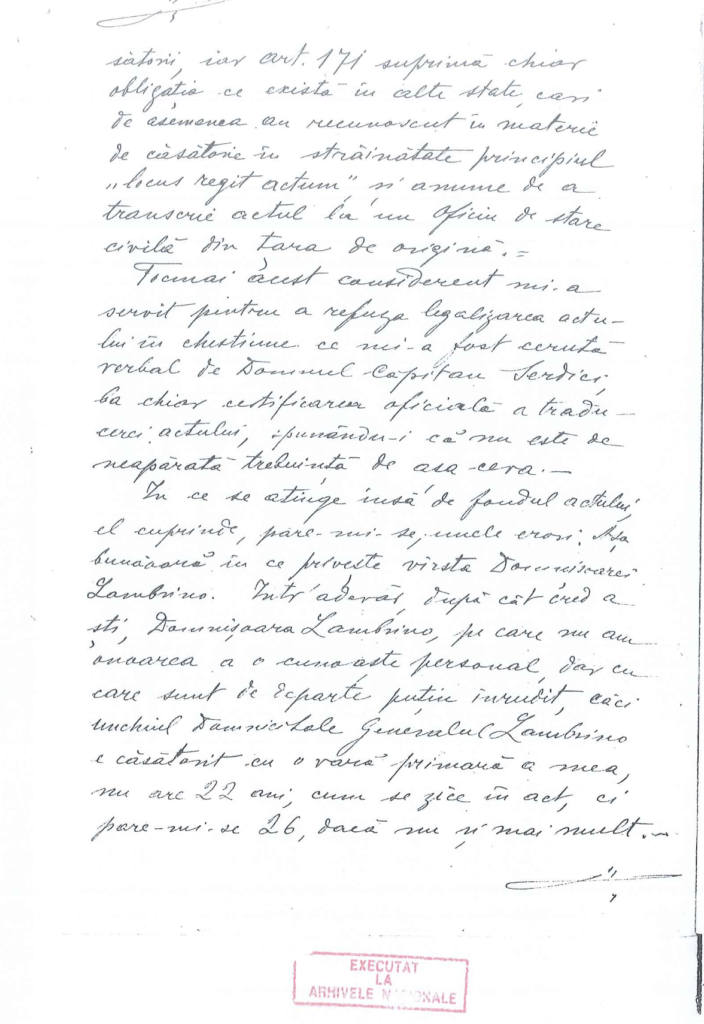
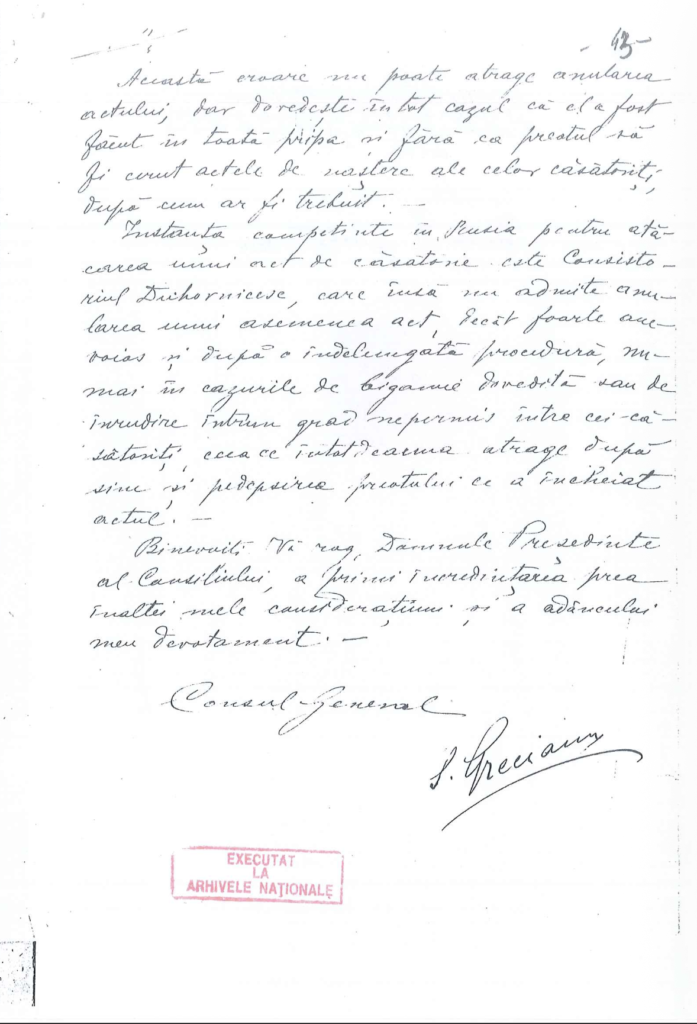
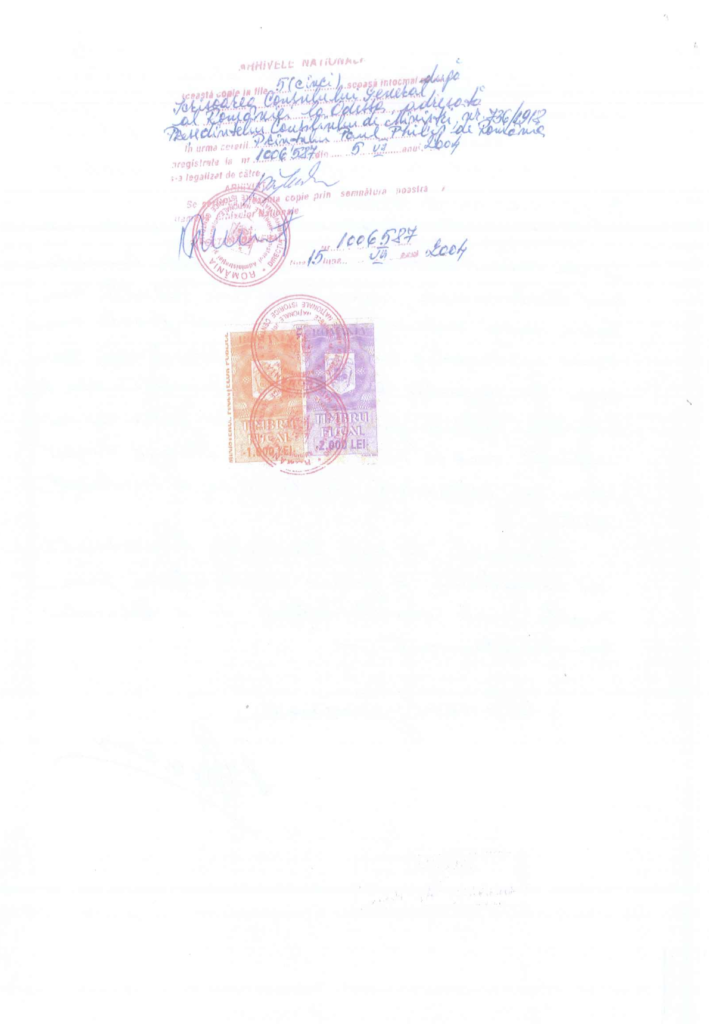
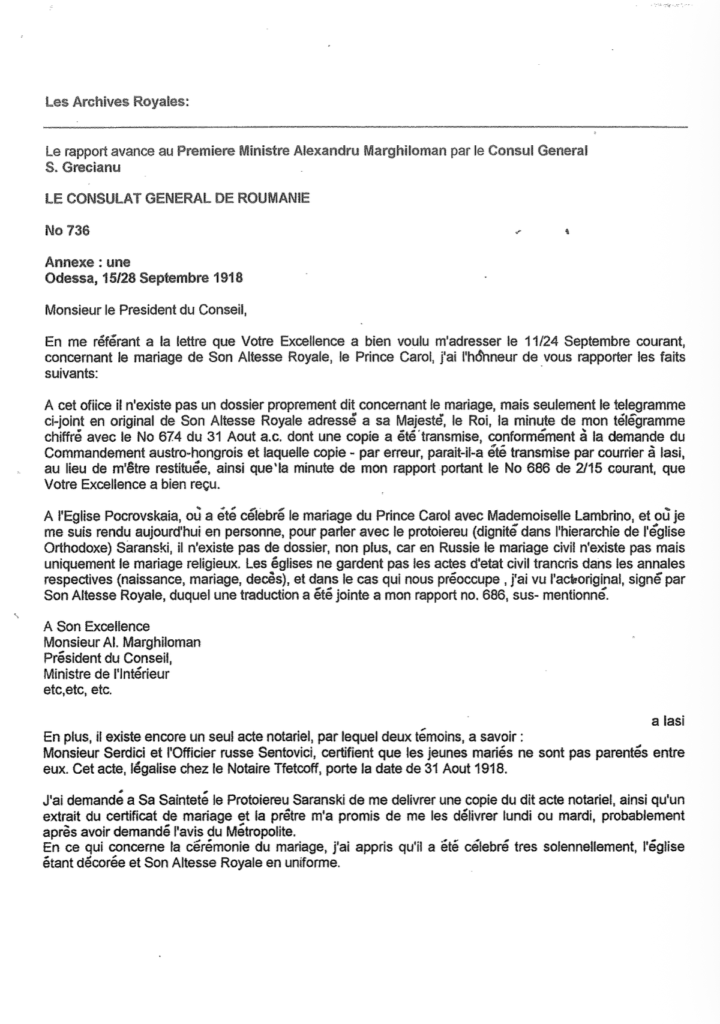
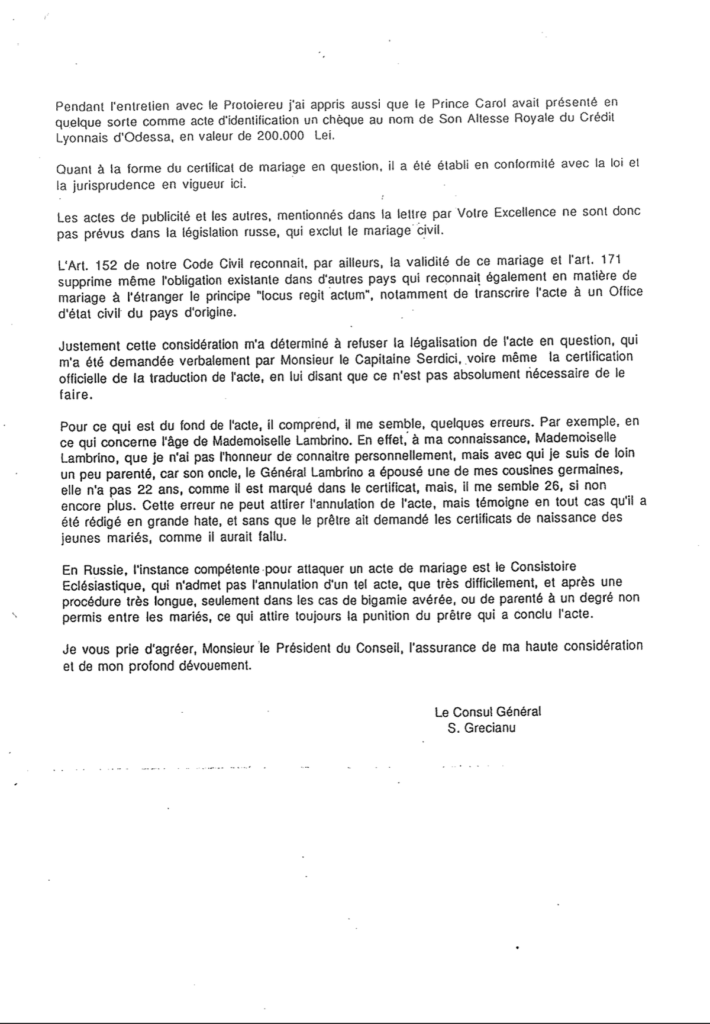
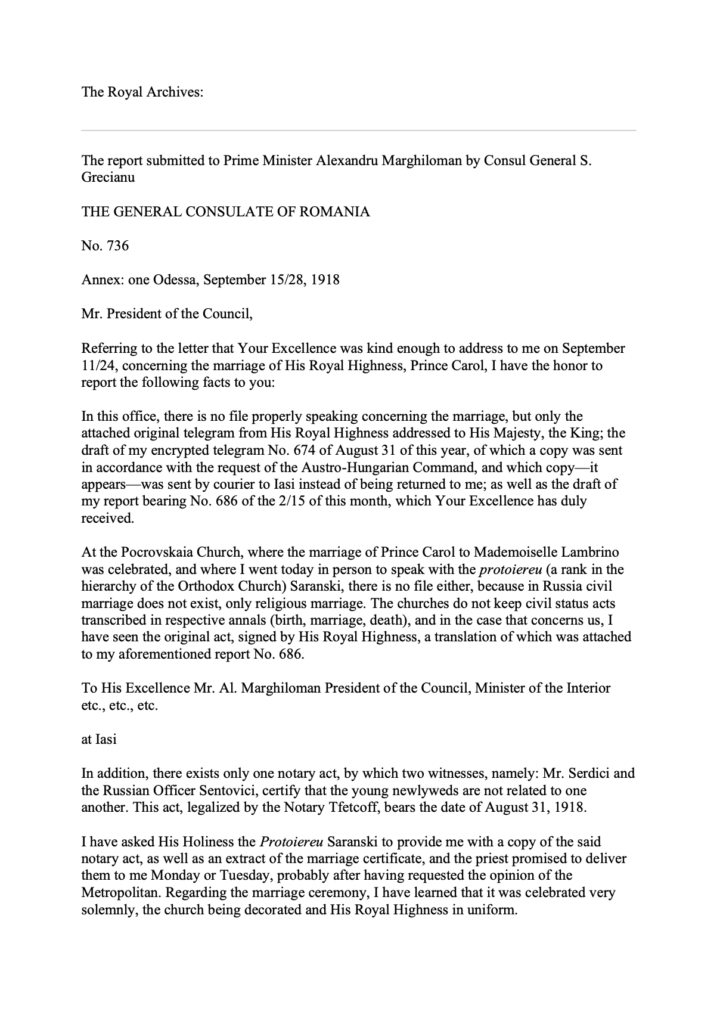
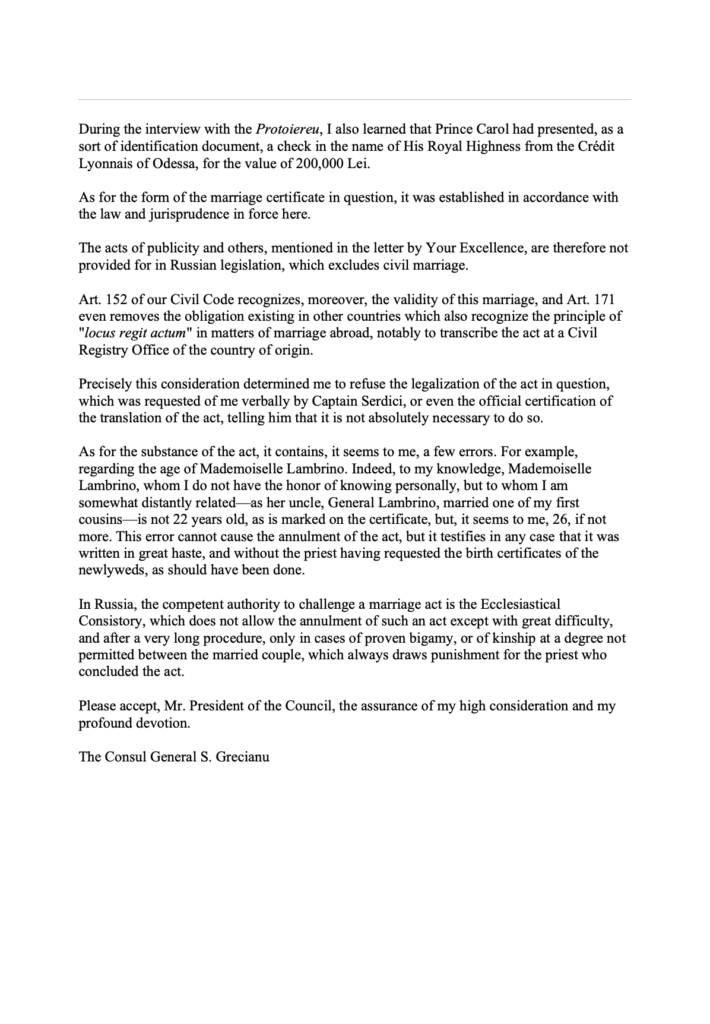
Furthermore, in 2012, the High Court of Cassation and Justice, by a final and irrevocable decision, recognized Her Royal Highness Prince Carol Mircea of Romania as, from his conception, the eldest son of His Majesty King Carol II of Romania, and recognized his eldest son, Prince Paul-Philippe of Romania. This recognition must be read in conjunction with the fact that King Carol II of Romania’s first marriage to the aristocrat Ioana Valentina Lambrino, celebrated in Odessa at the Pocrovskaia Church on August 31, 1918, was never annulled by the Orthodox Church. This circumstance is confirmed by the Consul General of Romania in Odessa, S. Greceanu, in his communication to the Romanian Prime Minister, His Excellence Mr. A. I. Marghiloman. At the time, only religious marriages were recognized for members of the Romanian Royal Family, not civil marriages. The subsequent decision of a Romanian civil court purporting to annul this marriage has no effect in the eyes of the Orthodox Church, which continues to consider it valid.
Since the death of His Royal Highness Prince Carol Mircea of Romania in 2006, his eldest son, His Royal Highness Prince Paul of Romania, has become head of the senior branch of the Royal Family of Romania. Prince Carol Mircea and Prince Paul did not separate themselves from the Princely House of Hohenzollern-Sigmaringen, unlike former King Michael, who on May 20, 2016, officially declared in Romania that the royal family refused any title conferred by the Princely House of Hohenzollern, of which he was only the head of the junior branch of the royal family. Michael’s position as king between 1940 and 1947 was unconstitutional in light of the last Royal Constitution of 1938, which was never legally annulled. In 1951, Prince Friedrich of Hohenzollern-Sigmaringen wrote to his cousin King Carol II of Romania, stating in essence that Carol had not abdicated, that Michael had, and that Carol remained head of the Royal Family of Romania until his death in Portugal in 1953. Taken together with the 2012 decision of the High Court of Cassation and Justice recognizing His Royal Highness Prince Carol Mircea of Romania as the eldest son of His Majesty King Carol II of Romania, it follows that, after his death, his eldest son, His Royal Highness Prince Paul, legally and constitutionally became head of the senior branch of the Royal Family of Romania.
Final Conclusion on the Legitimate Dynastic Heir
After more than twenty-one years of political obstruction, the moment the High Court of Cassation and Justice of Romania finally recognized, in 2012, the Portuguese decision of 1955 as final and irrevocable, the Romanian legal order finally aligned with historical and dynastic reality. The Court definitively recognized His Royal Highness Prince Carol Mircea Grigore of Romania as, from his conception, the eldest son of His Majesty King Carol II of Romania, and thus recognized his own eldest son, Prince Paul-Philippe of Romania, in that capacity.
Following the death of former King Michael, Princess Margareta and her four sisters are no longer part of the dynastic line of the Royal Family of Romania: their father had already abdicated in 1947, renouncing all royal prerogatives for himself and his descendants, in addition to having been an unconstitutional king and having broken his ties with the Princely House of Hohenzollern-Sigmaringen. In these circumstances, given the unbroken senior line from King Carol II via Prince Carol Mircea to Prince Paul, the canonical validity of the 1918 marriage recognized by the Orthodox Church, the Portuguese decision of 1955, and the final and irrevocable judgment of 2012 by the High Court of Cassation and Justice of Romania, the only person who can be considered the legitimate dynastic and constitutional representative of the Royal Family of Romania is His Royal Highness Prince Paul of Romania(House of Hohenzollern-Sigmaringen).
For more information on the Royal House of Hohenzollern-Sigmaringen Romania, please visit https://www.royalhouseofromaniahohenzollern-sigmaringen.com/head-of-family
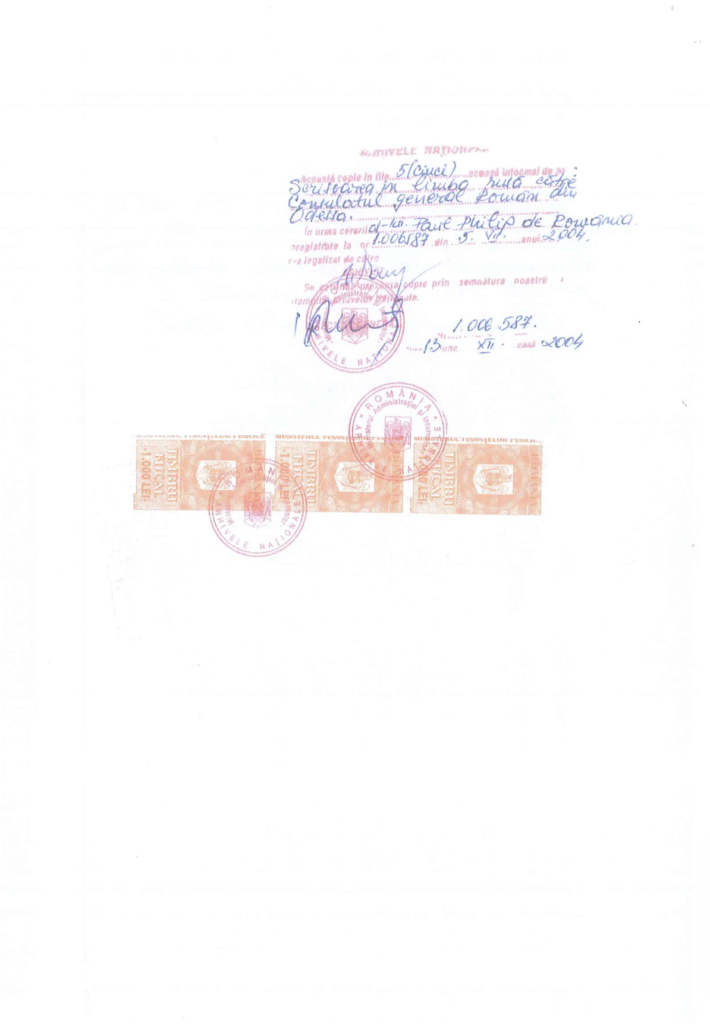
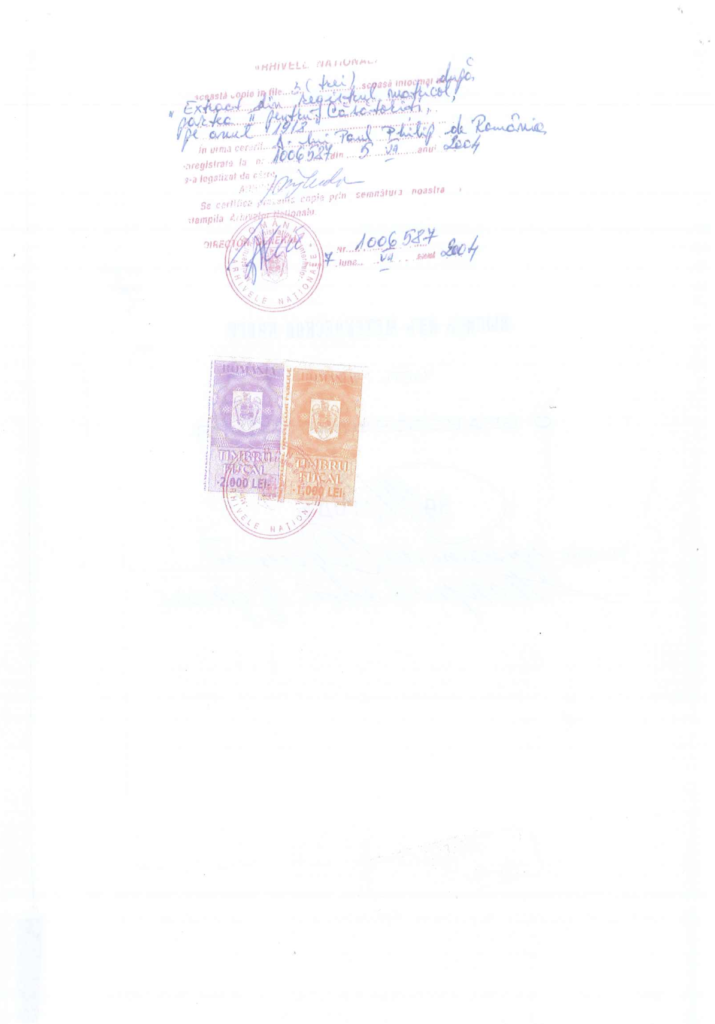
Official documents proving the validity of the first mariage of Prince Carol, Prince Paul of Romania’s grand-father